Tuesday, March 12, 2024

कानिचनपद्यानि


पद्यम् १

प्रत्येकशब्दंक्षतिपूर्णयुक्तम्
चिन्ताविहीनं परिभग्नसूत्रम् ।
भूयोपिभूयश्रवणार्हसत्वम्
ऐन्द्रीममाङ्के वदतीतितुष्टः।।
chandas (meter): indravajrA

Every word has many mistakes, they are spoken without any thought 
and every conceivable rule is broken. (Yet) the words are good and 
make us want to hear it again and again. 
(Why?)
They are spoken by Ayndree sitting on my lap. Hence I am happy.


शिवरात्री २०२४

वरस्यभूतादिपिशाचमण्डलम्।
समीक्ष्यचिन्तातुरकन्यकादलम्।।
उवाच देवीं परितुष्टकामिनीम्।
इमंक्व नूनं परिणेतुमिच्छसि।।
chandas (meter): vamshastham

After seeing the ghouls and demons in the wedding party of the groom (shiva),
the extremely concerned relatives of the bride (pArvatI), who was brimming with
happiness of marrying the man she wanted, asked her 
"why are you so adamant on marrying this man?"

कविसमयः इति ज्ञातः, कविसमस्याः अत्र क्वचित्। 

कण्ठस्थवृत्तिर्बुधबन्धुसङ्घः 
व्यर्थायसर्वेप्युपलब्धकोशाः। 
अन्ते तु मात्रागणनैवशेषः
मात्रा प्रदत्तां प्रतिभामनर्ज्य ।।
chandas (meter): indravajrA

Some problems while writing verses. 

The metrical patterns are memorized, there is the company of wise people, there is access to all the dictionaries of the world. But all of this is useless. I end up counting just the mAtrAs (letters to fit the meter) and have only that left to show. Because I have not received/earned the pratibhA (creativity) given by the Mother (mAtA).

Saturday, October 12, 2019

devI mAhAtmyam shRnkhalA 5

The madhyamacharitam which we explored during the previous navarAtram ended with devastuti, where devas shower praises over mahishAsuramardini. Now we move on to uttamacharitram, which begins in the 5th adhyAya. This adhyAya consists of 129 shlokas in anushtubh chandas, and we will not be able to complete the entire adhyAya in one post.
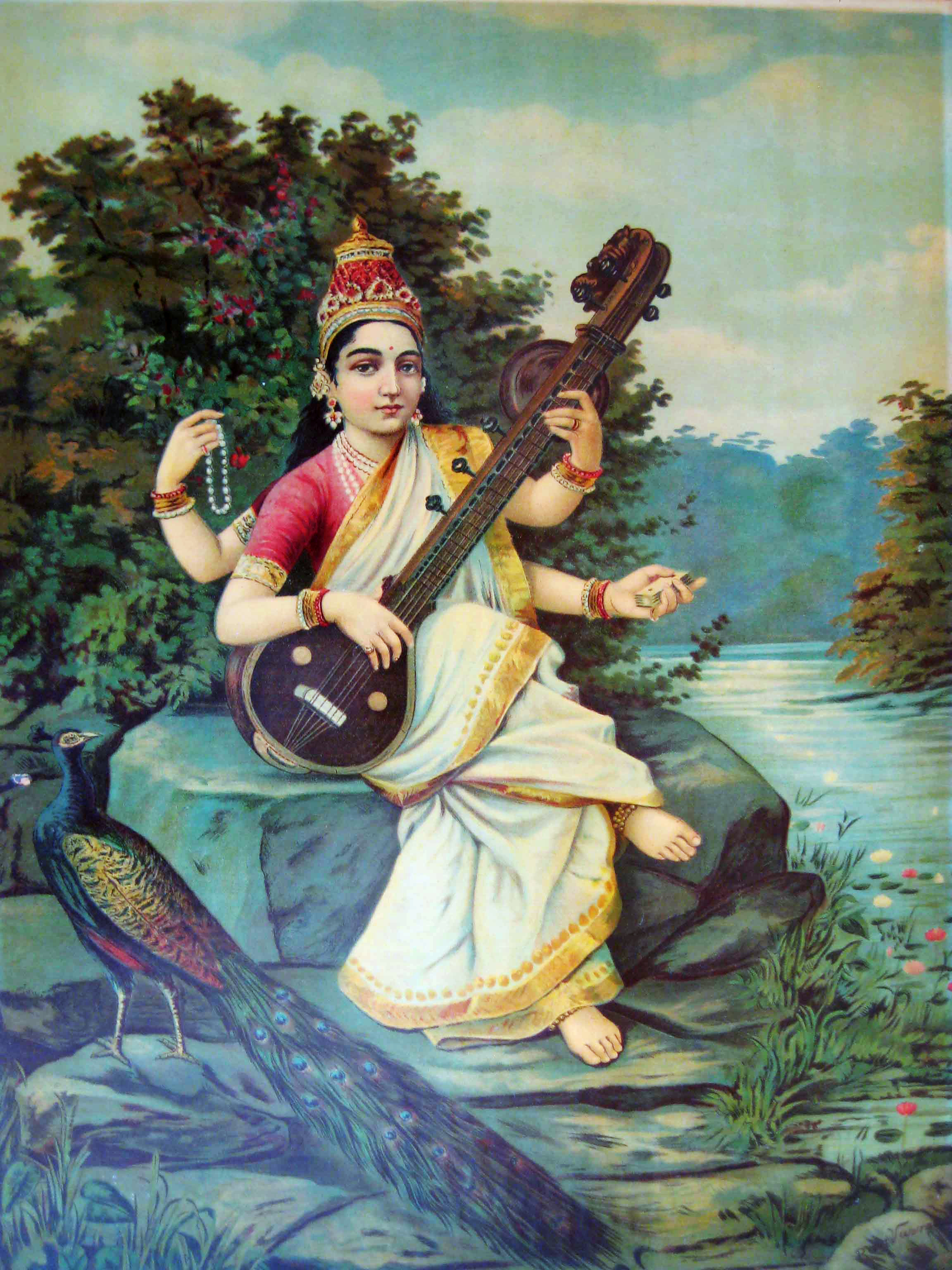
The dhyAnashloka about saraswatI is interesting since it depicts her as shumbhAdidaityArdinI (the slayer of rAkshasas like shumbha). This is different from the depiction of saraswati which we are used to. 


Image result for saraswati raja ravi varma
ravi varma's saraswati who is the saraswati that comes to mind immediately 
In the dhyAnashloka, saraswati is depicted as the one holding a bell, trident, plough, conch, pestle, chakra, bow and arrow. 
घण्टाशूलहलानि शङ्खमुसले चक्रं धनुस्सायकं कस्ताब्जैर्दधती
These are totally different from the veena vAdini depiction above, and more of a veera-saraswatI.

The charitam starts by describing how two very powerful and wicked rAkshasAs called shumbha and his brother nishumbha defeated indra and banished all the devas from devaloka.
पुरा शुम्भनिशुम्भाभ्याम् असुराभ्यां शचीपतेः। त्रैलोक्यं यज्ञभागास्च ह्रतामदबलाश्रयात्।
After they started performing the roles of surya, chandra, vAyu, and all the other devas, the devas went to himAvAn, the king of all mountains and prayed to his daughter pArvatI. Earlier, she had promised to remove their obstacles should such a time come.
तयास्माकं वरो दत्तो यथापत्सुस्मृताखिलाः। भवतां नाशयिष्यामि तत्क्षणात् परमापदः।

The praises the devas sing there are probably the most famous verses from the entire saptashatI. These are the famous shlokas that start with yA devI sarva bhUteshu and end with namastasyai. namastasyai, namastasyai namonamaH.

देवाः ऊचुः *
...
या देवी सर्वभूतेषु विष्णुमायेति शब्दिता। नमस्तस्यै नमस्तस्यै नमस्तस्यै नमो नमः।
(The devI who is called vishNumAya in all beings, salutations to her salutations to her salutations to her)
या देवी सर्वभूतेषु चेतनेत्यभिधीयते। नमस्तस्यै नमस्तस्यै नमस्तस्यै नमो नमः।
(The devI who is called consciousness in all beings, salutations to her salutations to her salutations to her)
या देवी सर्वभूतेषु बुद्धिरूपेण संस्थिता। नमस्तस्यै नमस्तस्यै नमस्तस्यै नमो नमः।
(The devI who is resides in all beings as intelligence, salutations to her salutations to her salutations to her)
The praises proceed for 20+ shlokas where devi is described as the shAnti, shraddhA, dayA, tushTi, lakshmi, etc in all living beings.

* Digression: When we hear sentences like arjunauvAcha, or shrI bhagavAnuvAcha, or yudhishtirauvAcha, it simply means arjuna said, shri krishnA said, yudhiSthira said etc. UchuH is just plural for uvAcha since there are more than 2 devas.

When pArvati (the daughter of parvata), was going to ganga for her bath, she heard the prayers of the devas. At that time, kaushikI emanated from pArvatIs body and spoke to the devas. Two rAkshasAs called chanda and munda see devI's beautiful form and report this to their master shumbha.

O lord of the daityAs this devI is a jewel among women. You should see her. Her limbs are extremely captivating, and make all the directions glow.
स्त्रीरत्नमतिचार्वङ्गी द्योतयन्ती दिशस्त्विषा । सा तु तिष्ठति दैत्येन्द्र तां भवान् द्रष्टुम् अर्हति।
There is then a very beautiful description of what all shumbha lords over, and what all treasures the brothers and their armies stole from the devas. The celestial elephant airAvata, pArijAta tree, hamsavimAna, varuNa's umbrella, kubera's great lotus, and many more.


O lord of the daityAs you have captured all these precious jewels. Why can't this jewel among women, this kalyANI be captured by you?
एवं दैत्येन्द्र रत्नानि समस्तानि आह्र्तानि ते। स्त्रीरत्नम् एषा कल्याणी त्वया कस्मात् न गृह्यते। 

Having heard these flattering words, and after getting his ahankAra inflated, shumbha instructs a messenger to go talk to devI. He instructs him on what to say and how to say it. He then asks the messenger to speak softly and accomplish the task quickly.
इति च इति च वक्तव्या सा गत्वा वचनान् मम। तथा च अभ्येति सम्प्रीत्या तथा कार्यं त्वया लघु।

The dUta said (dUta uvAcha) -- O devI, I the messenger come in front of you, sent by shumbha, who is the lord of the daityas and the lord of the three worlds.
दूत उवाच
देवि दैत्येश्वरः शुम्भः त्रैलोक्ये परमेश्वरः । दूतः अहं प्रेषितः तेन त्वत्सकाशम् इह आगतः। 

Listen to the words told by him, the one whose rule is uninterrupted by all the devas, who has conquered all the enemies of the daityAs
अव्याहताज्ञः सर्वासु यः सदा देवयोनिषु। निर्जिताखिलदैत्यारिः सः यत् आह श्रुणुश्व तत्। 

A mildly interesting samAsa vigraha is below.
निर्जिताखिलदैत्यारिः -- निर्जिताः (पराजिताः) अखिलाः दैत्यारयः येन सः निर्जिताखिलदैयारिः, शुम्भः

The three worlds belong to me and the devAs are under my control. I consume every single one of the sacrifices that is meant for them.
मम त्रैलोक्यं अखिलं मम देवाः वशानुगाः। यज्ञभागन् अहं सर्वान् उपाश्रामि पृथक् पृथक्। 

All the great treasures of the three worlds are under my control. I have taken away indrA's elephant, the great airaAvata.
त्रैलोक्यवररत्नानि मम वश्यान्यशेषतः। तथा एव गजरत्नं च हृतं देवेन्द्रवाहनम्। 

The best among horses called ucchaishravas, which came from the churning of the ocean of milk was submissively given to me by the amarAs (devAs).
क्षीरोदमथनोद्भूतम् अश्वरत्नं मम अमरैः। उच्चैश्रवससंज्ञं तत् प्रणिपत्य समर्पितम् । 

O beautiful one, whatever treasures the devas, gandharvas and nAgAs (uraga=nAga) had, they are all with me.
यानि चान्यानि देवेषु गन्धर्वेषु उरगेषु च। रत्नभूतानि भूतानि तानि मयि एव शोभने। 

We think that you are the treasure among women. Since we have all the other treasures, you should come to us now.
स्त्रीरत्नभूतां त्वां देवि लोके मन्यामहे वयम् । सा त्वम् अस्मान् उपागच्छ यतः रत्नभुजः वयम्। 

O devi, the one with the fickle gaze, since you are a treasure, honor either me or my brave brother nishumbha.
मां वा मम अनुजं वा अपि निशुम्भं उरुविक्रमम्। भज त्वं चञ्चलापाङ्गि रत्नभूतासि वै यतः। 

Through me, you will obtain all the riches. Mull over this and come to me in marriage.
परमैश्वर्यम् अतुलम् प्राप्स्यसे मत् परिग्रहात्। एतत् बुध्या समालोच्य मत्परिग्रहताम् व्रज। 

The rAkshasa asks the devi to marry either him or his brother, which one can find strange. But he is a rakshasa drunk on power, with a fair amount of rajas and tamas. So this is not entirely unexpected.

In this playful visual depiction, devI is shown seated on her throne listening patiently to the asura-messenger of the mahAsura-shumbha. The dUta is shown to be speaking haughtily, while also being soft. 


The devI is inspired by this painting of the inimitable keshav-ji.
No photo description available.


When in doubt, we use this excellent book as a reference https://archive.org/stream/saptashati-7-teeka-1/saptashati-7-teeka-2#page/n67/mode/2up .
It has 6 tIkAs (or commentaries) of which we find shAntanavI to be the most verbose and useful).


Friday, October 19, 2018

devI mAhAtmyam - shRnkhalA 4

In the 3rd chapter, one of the most important events of dEvI mAhAtmyaM -- the killing of mahishAsura takes place. After dEvi heroically slays the evil asura, the dEvas led by indra offer praises to the dEvI. The whole of the 4th chapter comprises of these praises (stutis), and dEvI accepts those praises. The stutis offer insights into shakta philosophy, but we will not even skim the siddhAnta here so that our ignorance is not for all to see. Instead we only compile some of the stutis that we consider to be important and beautiful.
शक्रादयः सुरगणा निहतेsति वीर्ये तस्मिन् सुरारिबले च देव्या। 
तां तुष्टुवुः प्रणतिनम्रशिरोधरांसा वाग्भिः प्रहर्षपुलकोद्गमचारुदेहाः। 

हेतुः समस्तजगतां त्रिगुणापिदोषैर्न ज्ञायसे हरिहारादिभिः अप्यपारा। 
सर्वाश्रयाखिलमिदं जगदंशभूतमव्याकृता हि परमा प्रकृतिस्त्वमाद्या।। (6)
You are the cause for all creation, even hari and hara cannot fathom your greatness. You are the protector of the creation, you are the ultimate nature (prakriti). We keep stressing on how different sanAtana dharma is from other monotheistic cults. This shloka, while extolling devi, does not amount to blaspheming against or belittling shiva or vishnu. These should be viewed from the concept of an ishTa devata, where one can worship according to their temperament--or not worship at all. At the same time, adherents of sanAtana dharma get confused and go around saying that anything goes, and any deity goes. While an ishTa devata indeed imposes very few constraints, overall one should not lose sight of what is dharma and adharma. Dharma is not a one way street where you let exclusivist faiths bulldoze you.

शब्दात्मिका सुविमलर्ग्यजुषां निधानमुद्गीथेरम्यपदपाठवतां च साम्नाम्। (10)
She is the sound of rik, yajur and sAmavedas.
शूलेनपाहि नः देवि पाहि खड्गेन चाम्बिके । 
घण्टास्वनेन नः पाहि चापज्यानिःस्वनेन च।  (23)
This is a very famous prayer. O ambika! protect us with your shUla, protect us with your sword. Protect us with the sound of your war bells and with the twang of your bowstring.
A vivid childhood memory is recognizing the stuti when we were watching this animated movie.

एवं स्तुता सुर र्दिव्यैः कुसुमैर्नन्दनोद्भवैः। 
अर्चिता जगतां धात्री तथा गन्धानुलेपनैः। 
भक्त्या समस्तैः त्रिदशैः दिव्यैः धूपैः सुधूपिता। 
प्राह प्रसाद सुमुखी समस्तान् प्रणतान् सुरान् ।
Thus worshiped by the devas with flowers, sandalwood paste and other fragrances, the supreme mother was verily pleased and she spoke to them.

व्रियतां त्रिदशाः सर्वे यदस्मत्तः अभिवाञ्छितम्। 
O devas! may your desires be known

भगवत्याकृतं सर्वं नकिञ्चित् अवशिष्यते। 
O devi, you have accomplished everything, nothing else is needed.
…
यः च मर्त्यस्तवैरेभिः त्वाम् स्तोष्यति अमलानने। 
तस्य वित्तर्धिविभवैः धनदारादिसम्पदाम्। 
But O blemishless one, if the mortals, worship you with these stutis, please bless them with wealth and good families.
…
तथेत्युक्त्वा भद्रकाली बभूवान्तर्हिता नृप। 
Having spoken thus, bhadrakAli disappeared from there. Another curiosity we note is that she is gauri (the white one) and also bhadrakAli (the noble black one). In our visual interpretation, we have depicted gauri in a yogic pose after slaying mahishAsura. She has laid down her weapons and shields. She is in a serene dhyAna, calming herself after an enraged war against the terrible asura. While she is capable of vanquishing evil in the battlefield, she is also jaganmAta. An attempt to bring out these contrasts is made through the natural elements of the chitram.

Sunday, June 17, 2018

गजस्य हननम् (आङ्ग्लमूलम् : जार्ज् आर्वेल् (१९३६))

बर्मादेशस्य दक्षिणभागस्य मूल्मेन्-नगरे अहं बहुभिः द्विष्टः आसम्। मम जीवने प्रथमवारं तावान् मुख्यः आसं, यत् बहूनां जनानाम् द्वेषस्य अर्हतां सम्पादितवान्। तदानीं प्रान्तीयारक्षकः आसम्, अपि च यूरोपीयाणं प्रति तत्र एकः निरर्थकः, अप्रयोजकः द्वेषभावः आसीत्। आङ्ग्लशासकान् विरुध्य डमरं कर्तुं तु कस्य अपि धैर्यं न आसीत्, तथापि यदि एका गौरमहिला विपणिम् अगमिष्यत्, तर्हि कश्चन तस्याः उपरि ताम्बूलरसम् अभ्यवमिष्यत्। आरक्षकभटः इत्यतः अहं नगरवासिभ्यः निश्चयेन एकः प्रतिकायः आसम्।  यदा कदापि शक्यं तदा तदा अहं तैः उपाहस्यत। एकदा 'फ़ुट्बाल्' क्रीडाङ्गणे कन्दुकम् अस्पृश्य एकः बर्मीयः यदा मम पादे प्रहारम् अकरोत्, तदा निर्णायकः--सः अपि बर्मीयः--ज्ञात्वा किमपि न प्रवर्तितमेव इतिवत् आचरितवान्। एतत् दृष्ट्वा जनयूथः उच्चैः अट्टहासम् अकरोत्। एतादृश्यः घटनाः नैकदा प्रवृत्ताः। अन्ततोगत्वा उपहसन्ति पीतमुखानि, दूरात् श्रूयमाणानि दुर्वचनानि, इत्यादयः मां क्षान्तेः सीमां प्रापयन् । युवबौद्धभिक्षवः अत्र प्रमुखापराधिनः आसन्। तेषाम् एकमेव कार्यं, नगरवीथीषु स्थित्वा यूरोपीयानाम् उपहासनम् इति मम भाति।

सर्वं दुःखदायकम् आसीत्, यतः आङ्ग्लानां शासनं सम्पूर्णतया दुष्कृतम् आसीत् इति तदानीं निर्णीतवान् आसम् । यावत् शीघ्रम् उद्योगं समाप्य बहिर्गन्तुं शक्यं तावत् शीघ्रं गन्तुम् ऐच्छम्। सैद्धान्तिकदृष्ट्या, व्यक्तं हि निगूढतया, अहं बर्मीयाणं पक्षे, आङ्ग्लानां विरोधे आसम्। मम उद्योगं प्रति मयि यः द्वेषभावः आसीत्, सः वाक्यैः प्रकटयितुम् न शक्यः। एतादृशे उद्योगे एकाधिपत्यस्य कुशासनानि, दुराचरणानि समीपात् द्रष्टुं शक्यते। मृगशालाः इव कारागराः, पशवः इव तत्रत्यबन्धिनः, तत्रत्यदुर्गन्धः, वेत्रदण्डैः व्रणिताः नितम्बाः, एते सर्वे मम मनसि असह्यापराधभावम् अजनयन्। अस्यां द्विविधायां स्थित्वा अहं किमपि अवगन्तुं न शक्तवान्। युवकः, अशिक्षितः च, अहम् एकाकी सन् मम समस्यानां समाधानं प्राप्तुं विवशः। पूर्वीयदेशेशु स्थितस्य प्रत्येकस्य आङ्ग्लाधिकारिणः एषा एव स्थितिः। आङ्ग्लसाम्राज्यं म्रियमाणम् आसीत् इत्यपि न जानामि स्म। आङ्ग्लसाम्राज्यस्यानन्तरं यत् साम्राज्यम् आगमिष्यति, तत् आङ्ग्लसाम्राज्यस्यापेक्षया दुष्टतरं भविष्यति इत्यपि न जानामि स्म। आङ्ग्लशासने मम द्वेषस्य, बर्मीयहिंस्रानाम् उपरि मम क्रोधस्य च मध्ये अहं संमर्दितः आसम्। एकस्मिन् पार्श्वे साम्राज्यस्य उन्मूलनं लोककल्याणाय अत्यावश्यकः इति भावः, अपरस्मिन् पार्श्वे दुष्टबौद्धभिक्षूणां जठरे छुरिकां प्रक्षेप्तुं सुमहती इच्छा। एतादृशी द्विविधा पूर्वीयदेशेषु स्थितेन प्रत्येकेन आङ्ग्लाधिकारिणा अनुभूता। 

एकदा घटना एका घटिता, यया अप्रस्तुततया दुष्टसाम्राज्यानाम् आचरणविशये मम प्रबोधनं जातम्। तस्मिन् दिने नगरस्य अपरपार्श्वस्थस्य आरक्षकालयस्य उपाध्यक्षः माम् आहूय, कस्चन गजः विपणिं प्रविश्य तस्य ध्वंसं कुर्वन् अस्ति इत्युक्त्वा अहं तत्र गत्वा तं रोद्धुं शक्ष्यामि किम् इति अपृच्छत्। मया किं कर्तुं शक्यते इति न ज्ञात्वा तत्र किम् प्रवर्तते इति द्रष्टुं मम अश्वम् आरुह्य प्रस्थितवान्। यद्यपि सा गजस्य हननाय अपर्याप्ता इति जानामि स्म, तथापि भयोत्पादनाय पर्याप्ता इति मत्वा मम ०.४४ विञ्चेस्टर्-भुषुण्डीं स्वीकृत्य गतवान्। अनेके बर्मीयाः मर्गे माम् अवरुध्य गजस्य चेष्टाः श्रावितबवन्तः। एषः पालितगजः यः उन्मत्तः जातः, न तु वन्यगजः। उन्मादस्य सम्भावना यदा भवति, तदा पालितगजाः बद्धाः भवन्ति। तथैव एषः अपि बद्धः आसीत्, किन्तु पूर्वस्यां रात्रौ शृङ्खलाः तृटित्वा अपलायत। तस्य हस्तिपकः एकः एव तं नियन्त्रयितुं शक्नोति स्म। सः गजम् अनुधावितवान्, परन्तु विपरीतदिशि! अनुधाव्य अनुधाव्य स तु नगरात् १२ घण्टादूरं गतवान्। पलायमानः गजः प्रभाते सहसा नगरे दृष्टिगोचरः अभवत्। बर्मीयाणां सकाशे शस्त्राणि न आसन्। नगरमागत्य सकृत् सः कस्यचित् कुटीरस्य उन्मूलनं कृतवान्, एकां धेनुं संहृतवान्, एकस्य फलापणस्य आक्रमणं कृत्वा तत्रत्यानि सर्वाण्यपि फलानि निगलितवान्। प्रातराशं समाप्य नगरस्य अवकरशुद्धिवाहनस्य गमनमार्गं सम्प्राप्तवान्। यदा वाहनचालकः वाहनात् कूर्दित्वा प्राणरक्षणय अधावत्, तदा वाहनं विलुण्ठयित्वा तदुपरि हिंस्राः कृतवान्। 

यस्मिन् सहनिवासे गजः दृष्टः, तत्र बर्मीयारक्षकोपाध्यक्षः तस्य भारतीयभटैः सह मम प्रतीक्षां कुर्वन् आसीत्। सहनिवासस्य दुःस्थितिः आसीत्। निर्धनाः कस्यचित् शैलस्य रोधसि शिथिलानि कुटीराणि निर्मीय वसन्ति स्म। तदानीम् वर्षाऋतोः प्रारम्भः आसीत् इति संस्मरामि। आकाशे मेघाः, सर्वथा दुर्दिनानि, सर्वत्र प्रक्लिन्नता इति स्थितिः। गजस्य विषये जनान् प्रष्टुं प्रारब्धवन्तः। सामान्यतया यथा भवति, तथैव विश्वसनीयाः वार्ताः न प्राप्तवन्तः। घटनायाः यावत् समीपं अगच्छन्, जनानां कथनं तावत् अस्पष्टम् अभवत्।  पूर्वीयदेशेषु सर्वदा एवं भवति। घटनायाः यावत् समीपं गच्छामः, जनानां कथनमपि तावत् अस्पष्टं भवति। केचन गजः एवं गतवान् इति अवोचन्, केचन साक्षात् विपरीत दिशि गतवान् इति अवोचन्। केचन तु "गज: वा? कः गजः?", इति अवदन्। यदा एषा कथा सम्पूर्णतया विसङ्गता इति निर्णीतवान्, तदा दूरात् उच्चध्वनिः श्रुता। एका दण्डधारिणी वृद्धा "इतः गच्छ रे वत्स ! गच्छ !", इति शब्दयन्ती, बालान् भीषयन्ती एकस्य कुटीरस्य कोणात् मार्गम् प्राविशत्। पृष्टतः अन्यमहिलाः ताम् सदुःखम् अन्वसरन्। बालाः दर्शनाय अनर्हं किमपि अपश्यन् इति निदर्शनम् आसीत्। कुटीरं वितीर्य अपश्यम्। शवः एकः मृत्तिकायां लग्नः आसीत्। भारतीयः, भारिकः, कृष्णः, अन्तरा नग्नः, केभ्यश्चित् निमेषेभ्यः पूर्वमेव मृतवान् आसीत्। गजः सहसा मार्गात् कुटीरस्य पार्श्वं आगत्य तुण्डेन गृहीत्वा तस्य पृष्टे पादं स्थापयित्वा तं भूमौ पाक्षिपत् इति मम अनुमानम्। वर्षाकालः इत्यतः भूमिः क्लिन्ना, कोमला च आसीत्। तस्य शिरः एकपादं यावत् मृत्तिकायां लग्नः आसीत्। सः हस्तौ प्रसारयन्, जठरे शयानः, तथापि आकाशं पश्यन्, दन्तान् दर्शयित्वा हसन् आसीत्। असह्यया पीडया उत्पन्नः हासः आसीत्। तादृशी पीडा, या महाजन्तुना सम्मर्दनात् उद्भवति। मृताः शान्तियुक्ताः दृश्यन्ते इति कदापि मा वदतु। प्रेताः सर्वदा पिशाचाः इव दृश्यन्ते। मृतस्य पृष्ठभागस्य चर्मः गजस्य पादेन कुक्कुटस्य चर्मः इव शुद्धतया निष्कासितः। 

प्रेतं दृष्ट्वा अञ्जसा महाभुषुण्डीम् आनेतुं मम भृत्यं प्रेषितवान्। पूर्वमेव अश्वम् आरक्षकालयं प्रति प्रेशितवान् आसं, यतः सः गजं घ्रात्वा भीत्या मां मा उत्सृजेत्। भृत्यं गजभुशुण्डीं, पञ्चगोलिकाः च आनयत्। अत्रान्तरे गजः बर्मीयैः अधः स्थिते कस्मिन्श्चित् केदारे दृष्टः। यदा अहम् अग्रे सृतवान्, प्रायशः सहनिवासस्य सर्वे निवासिनः स्वकुटीरेभ्यः बहिरागत्य माम् अनुसर्तुं प्रारभन्त। ते मम भुषुण्डीं दृष्टवा अहं गजस्य हननं करिष्यामि इति उत्साहेन परस्परं शब्दयन्तः आसन् । यावत् व्यालः तेषां गृहाणां ध्वंसं कुर्वन् आसीत्, तावत् ते गजस्य विषये ईषदपि उत्साहं न दर्शितवन्तः। किन्तु व्यालस्य मृत्योः सम्भावना यदा उदिता, तदैव तेषु कुतूहलं जातम्। एकरीत्या तेभ्यः एतत् सर्वम् विनोदनम् आसीत्। न केवलं बर्मीयेभ्यः, कस्मैचित्आङ्ग्लयूथाय अपि एतत् विनोदनमेव अभविष्यत्। ते गजस्य मांसमपि इष्टवन्तः। वस्तुतः प्राणरक्षणय एव भुषुण्डीं धृतवान् आसम्। गजं हन्तुमेव नैच्छम् इत्यतः क्वचित् आकुलः अभवम्। यःकोपि वा भवतु, जनयूथस्य अनुगमनेन आकुलः भवेदेव। शैलम् अवरुह्य, मूर्ख: इव अनुभवन् केदारं प्रति गच्छन् आसम्। मम पृष्ठतः जनसम्मर्दः नितरां वर्धमानः आसीत्। शैलस्य अधोभागे कुटीराणाम् अग्रे महामार्गः एकः आसीत्। मार्गस्य अन्यस्मिन् पार्श्वे अनुप्तसस्यः, अकृष्टः, केवलं वर्षया क्लिन्नः केदारः आसीत् । गजः मार्गात् अष्टपादमिते दूरे जनयूथस्य आगमनम् अविलक्ष्य स्थितवान्आसीत्।  तस्य वामभागः अस्माकम् पुरतः आसीत्। घासगुच्छान् उन्मूल्य सुचीकर्तुं जानुनोः ताडयित्वा मुखं सम्पूरयन् आसीत्। 

अहं मार्गपर्यन्तं गत्वा स्थगितवान्। गजदर्शनस्य समनन्तरमेव तस्य उपरि प्रहारं न करवाणि इति ज्ञातवान् । गजस्य इव महामृगस्य हननं अति गभीरम् अस्ति। कस्यचित् बहुमूल्यस्य बृहतः यन्त्रस्य नाशनम् इव अस्ति। अतः शक्यं चेत् गजस्य हननं न करणीयम्। दूरे स्थित्वा शान्ततया खादन् गजः धेनुः इव अहिंस्रः भासते स्म। तदानीम् अचिन्तयम्, इदानीम् अपि चिन्तयामि, यत् तस्य उन्मादाभिसरः निर्गच्छन् आसीत् इति। तथा चेत् सः शान्ततया इतस्ततः अचलिष्यत्, तस्य पालकः प्रत्यागत्य तम् अग्रहिष्यत्। यथोक्तम्, अहं तं हन्तुं नैच्छम्।अतः किञ्चित् कालाय तं प्रेक्ष्य, यदा सः पुनः उन्मत्तः न भविष्यति इति सुनिश्चितं भवति, तदा तं तत्रैव त्यक्त्वा गृहं गमिष्यामि इति निर्णीतवान्। परन्तु समनन्तरमेव मम पृष्टतः स्थितं जनसङ्कुलम् अपश्यम्। तत् नितराम् बृहत्, प्रतिक्षणं वर्धमानम् आसीत्। प्रायशः द्विसहस्राधिकप्रतीक्षमाणाः जनाः आसन्। दुश्चदवस्त्राणाम् उपरि पीतमुखानां सागरम् अपश्यम्। सर्वे गजस्य हननं निश्चयेन भविष्यति इति विश्वसन्तः, सन्तोषेण मार्गमाच्छाद्य स्थितवन्तः आसन्। यथा दर्शकाः ऐन्द्रजालकं पश्यन्ति, तथैव ते अपि माम् अपश्यन्। तस्य हस्ते यथा मायादण्डः भवति, तथा मम हस्ते भुषुण्डी आसीत्। ते मां न इष्टवन्तः, यतः अहम् आङ्ग्लशासकः आसम्। परन्तु, भुषुण्डीधरः सन्, अहं किञ्चित् कालाय द्रष्टुं योग्यः अभवम्। तान् दृष्ट्वा मया गजस्य हननं करणीयमेव भवेदिति मनसि अस्फुरत्। 

द्विसहस्रजनानाम् आकाङ्क्षाः मां नितराम् अग्रे नोदयन्तः आसन्। पूर्वीय देशेषु पश्चिमगौराङ्गाणां शासनम् कियत् व्यर्थम् इति तदा ज्ञातवान्। द्विसहस्रनिरायुधजनानाम् पुरतः भुषुण्डीं धृत्वा आपाततः सेनापतिः इव स्थितवान् आसम्। वस्तुतः अहं पीतमुखजनानाम् आकाङ्क्षया तत्र प्रक्षिप्ता पाञ्चालिका इव आसम्। यदा गौराङ्गः उपद्रवी भूत्वा अन्येषां स्वातन्त्र्यम् अपहरति, तदा तस्य स्वातन्त्र्यमपि नष्टं भवति। सः सामान्यः 'साहिब्' भवति, यः न कदापि दोषं कर्तुम् अर्हेत्। सर्वदा स्थिरतया समस्यानाम् समाधानम् कुर्यात्। तस्य जीवितं देशिकानाम् चित्ताकर्षणे लग्नं भवति। यदा भुषुण्डीम् आनेतुम् आदिष्टवन् तदानीमेव गजं हन्तुं विवशः अभवम्। एतावत् दूरमागत्य विना हननं यदि निरगमिष्यं तर्हि द्विसहस्राधिकदेशजनानाम् उपहासपात्रम् अभविष्यम्। तत् कृत्यं मम दुर्बलतायाः प्रतीकः अभविष्यत्। कथम् देशीयानाम् उपहासपात्रं न भवामः इति सङ्घर्षे एव पूर्वीय देशेषु स्थितानां आङ्ग्लाधिकारीणां जीवनानि लुप्ताः अभवन्। 

परन्तु शान्ततया घासगुच्छान् अगलन्तं गजं अहं हन्तुं न इष्टवान्। यथा वृद्धाः महिलाः विना चिन्तनं ताम्बूलं चर्वन्ति, तथैव एषः खादने लग्नः आसीत्। यद्यपि अहं कदापि गजहननं न कृतवान् आसं, तदानीं मृगाणां  मारणे मम कापि जुगुप्सा नासीत्। सर्वे जीविनः समानाः न भवन्ति। बृहत्तरस्य मृगस्य मारणं कथञ्चित् क्रूरतरं भवति। हस्तिपकस्य स्थितिरपि चिन्तनार्हा। जीवन् गजः हस्तिपकाय न्यूनातिन्यूनं शत-"पौण्ड्"-नाणकानि अर्जयितुं शक्नोति। किन्तु मृतस्य मूल्यं केवलं दन्तयोः मूल्यमेव। अधिकतमं मूल्यं प्रायः पञ्चनाणकानि भवेत्। परन्तु त्वरया मया किमपि कर्तव्यं आसीत्। वलित्वा पृष्ठे स्थितान् अनुभविनः बर्मीयान् गजस्य आचरणविषये अपृच्छम्। ते सर्वे समानं विचारं प्राकटयन्। गजात् दूरे भवामः चेत् सः विमुखः भवति, परन्तु समीपं गच्छामः चेत् अभिधावेत्। किम् करवाणि इति स्पष्टमासीत्---गजस्य समीपं गच्छानि। प्रायः २५ पाददूरे स्थित्वा पश्यानि। सः मां अभ्यधावत् चेत् अहं गोलिकाभिः तं सम्हराणि। नोचेत् पालकस्य आगमनपर्यन्तं तम् तत्रैव त्यक्त्वा गन्तुम् शक्नुयाम्। तदानीम् एवं न आचरिष्यामि इत्यपि मयि स्पष्टमासीत्। भुषुण्डीप्रहारे निपुणः न आसम्, अपि च प्रत्यस्मिन्पदे मम पादौ पङ्के लग्नौ भवतः स्म। एकया गुलिकया न समहरिष्यम् चेत् लोकयानचक्रेण परिपिष्टः मण्डूकः इव मम स्थितिः भविष्यति। तथापि मम विषये न चिन्तयामि स्म। मम मनसि केवलं पृष्ठे स्थित्व माम् अवलोकयन्ति पीतमुखानि आसन्। मुखेभ्यः मम मनसि असामान्या भीतिः अजायत, या यदि एकाकी अस्थास्यम्, तर्हि न अभविष्यत्। गौराङ्गः निजवासीनाम् पुरतः भीतिं दर्शयितुं न अर्हति। यतः तेषां दृष्ट्यां सः भयं अनुभवितुमपि न शक्नोति।

अकार्यं किमपि भवति चेत् द्विसहस्राधिकबर्मीयाः गजेन अनुधाव्यमानं, परिपिष्टं माम् द्रक्ष्यन्ति। कुटीराणां समीपे दृष्टस्य भारतीयस्य शवस्य परिस्थितिः इव मम अपि भविष्यति। यदि एवं प्राभविष्यत्, तर्हि केचन बर्मीयाः अहसिष्यन्। गौराङ्गः न कदापि व्यङ्ग्यस्य पात्रं भवितुम् अर्हति। अतः एकः एव विकल्पः आसीत्। सम्यक् लक्षयितुं मार्गे शरीरं प्रसार्य भुषुण्ड्याम् गुलिकाम् आरोपितवान्। जनसमूहः बहुशान्तः, प्रतीक्षमाणः च अभवत्। नाटकात् पूर्वं आवरणस्य अपसरणाय प्रतीक्षमाणानां रसिकानाम् मौनम् यथा भवति तादृशं मौनम् आपतितम्। अनततोगत्वा रुचिकरं किमपि प्रचलिश्यत्येव। भुषुण्डी अत्युत्तमा जर्मनीयभुषुण्डी आसीत्। गजस्य हननाय गुलिका एकं कर्णं प्रविष्य अपरस्मात् कर्णत् बहिः आगन्तव्या इति तदा मया न ज्ञातं। एतत् सुकरम् आसीत् यतः गजस्य कर्णः मम दृष्टिपथे एव आसीत्। परन्तु अहं साक्षात् कर्णम् अलक्ष्यीकृत्य किञ्चिदग्रे प्रहार्तुं सज्जः अभवम्। अग्रैव तस्य मस्तिष्कः भवेदिति मम ऊहा आसीत्। 

यदा प्रहृर्तवान्, तदा विस्फोटं न शृतवान्, घट्टनमपि न प्रापतवान्। मौनं, स्थैर्यं एव अनुभूते स्म। तत् मौनं बर्मीयाणाम् आनन्दपूर्णेन कोलाहलेन भग्नमभवत्। सकृत् गजस्य आचरणे परिवर्तनम् दृष्टम्। यद्यपि गुलिका गजस्य समीपं प्राप्तुम् अपि समयः अपर्याप्तः इति मम अभात्, अञ्जसा गजः क्षीणः, सङ्कुचितः, अतीव वृद्धः इव अभवत्। पञ्चक्षणानि यावत् सः इतस्ततः दोलयन् मुखात् लालां स्रावयन् आसीत्। तस्य वीर्यस्य सम्पूर्णनष्टम् अभवत्। सहस्रवर्षीयः गजः इव दृश्यते स्म। तस्य अग्रजानुनोः पतनानन्तरं द्वितीयां गोलिकां चालितवान्। द्वितीयं प्रहारं प्राप्य सः पुनः चतुर्षु पादेषु अतिष्ठत्। तस्य मुखम् नितरां संस्रमानः आसीत्। तृतीयवारं गोलिकां चालितवान्। तया तस्य संनिपातः अभवत्। तस्य शरीरं विद्युता धर्षितम् इव अभवत्। पादानाम् अवशिष्टा याकापि शक्तिः आसीत्, सा सम्पूर्णतया विलुप्ता। पृष्ठपादयोः व्लीनयोः जातयोः सत्योः तस्य अग्रभागः उपरि उपरि अगच्छत्। तुण्डः तरुः इव आकाशं प्रति अगच्छत्। तत् दृश्यं महान् शैलस्य पतनम् इव आसीत्। प्रप्रथमवारम्, अन्तिमवारं च, सः क्रोञ्चितवान्, वलित्वा जठरं मम दिशि प्रसार्य अधः अपतत्। दूरे स्थितेन मया अपि भूमिकम्पः अनुभूतः। तादृशः शब्दः, तादृशः विशालाकारः तस्य। 

अहम् उत्थितवान्। तावत् बर्मीयाः मृत्तिकायां गजं प्रति धावन्तः आसन्। सः पुनः न उत्थास्यति इति सुनिस्चितम् आसीत, परन्तु सः मृतः न आसीत्। असह्यया पीडया उच्चश्वासोच्छ्वासं कुर्वन् आसीत्। दूरात् पर्वताकारशरीरस्य उत्थानपतनानि दृष्टानि। समीपं गत्वा तस्य विस्तृतां, उद्घाटितां, पाटलवर्णियां गुहाकण्ठीम् अपश्यम्। बहुकालं मरणस्य प्रतीक्षाम् अकरवम्, परन्तु तस्य श्वासने क्षीणता न दृष्टा। अतः तस्य हृदयं कुत्र भवेदिति ऊहां कृत्वा मम अन्तिमगुलिकाद्वयं चालितवान्। स्निग्धः रक्तः तस्य शरीरात् उत्सवत् पावहत्। तथापि सः न मृतः। समीपात् गुलिकाप्रहारं प्राप्य शरीरकम्पनमात्रमपि नाभवत्। पाडासहितश्वासस्य प्रवर्तनमेव आसीत्। मम मनसि अनुकम्पा, जुगुप्सा च। कथञ्चित् पीडायाः निवारणम् भवतु इति मम लघुभुषुण्डीम् आनेतुम् आदिश्टवान्। यावत्यः गुलिकाः आसन्, एकस्याः अनन्तरम् एका इति तासां सर्वासां प्रयोगम् अकरवम्। तथापि सः यमसदनं न प्राविशत्। भूलोकस्य, यमलोकस्य च मध्ये पीडाग्रस्तस्य, जीवितुं शक्तिहीनस्य, मर्तुमपि शक्तिहीनस्य तस्य दुःखयुक्ताः उच्चश्वासाः घट्याः चलनमिव निरन्तरतया प्रावर्तन्त। अन्ततोगत्वा मम सनहशक्तेः सीमाम् अतिक्रम्य, ततः निरगच्छम्। 

मम गमनात् अर्धघण्टानन्तरं सः मृत्युम् उपगतः इति मया शृतम्। मम गमनात् पूर्वमेव बर्मीयाः छुरिकाः, पात्राणि आनयन्तः आसन्। माध्याह्नं यावत् गजास्थीनि एव अवशिष्टाः आसन्। समनन्तरं हि गजस्य हननविषये अनन्ताः चर्चाः अभवन्। गजस्य स्वामी अतीव कृद्धः अभवत्। सः भारतीयः, पराधीनः इत्यतः किमपि कर्तुं असमर्थः। एकदृष्ट्या भारतीयभारवाहकस्य हत्या मम पक्षं प्राबलयत्। न्यायाधीशस्य दृष्ट्या अहं सत्कार्यमेव अकरवम्। स्वामी उन्मत्तं गजं नियन्त्रयितुं न शक्नोति चेत् गजः उन्मत्तः कुक्कुरः इव मारणीयः इति तस्य मतम्। अहमपि भारवाहकः गजेन मारितः इति मुदितः अभवम्, येन अहं निर्दुष्टः अभवम्।  यूरोपीयाणम् अभिप्रायेषु पक्षद्वयं आसीत्। अहं सत्कायमेवे कृतवानिति वृद्धाः अवोचन्। युवकाः गजस्य मूल्यं तृणप्रायस्य "कूली"-जनस्य अपेक्षया सर्वथैव अधिकं अस्ति, अतः तस्य हननं लज्जावहः इति उक्तवन्तः। बर्मीयाः मां मूर्खं न मन्येरन् इति एकेनैव कारणेन अहं गजं सम्हृतवान् इति कस्यापि प्रबोधनं जातम् वा इति बहुधा चिन्तयामि। 


Sunday, December 3, 2017

Why free speech is not so free in India

It was the year 1927, when a book called Rangila Rasul was published by Mahashe Rajpal in Lahore, British India. This book detailed the sex life of Islam’s Prophet Mohammad, and after a few attempts, the publisher was murdered by a young man called Ilm-ud-din. Ilm-ud-din was sentenced to death, and the muslim community erupted in anger since their prophet was insulted. Several leaders of the muslim community participated in the murderer’s final procession and gave rousing speeches. The attendees included Mohammad Iqbal (the man who wrote sare jahan se accha, and was one of the founding fathers of the Islamic Republic of Pakistan) and Mohammad Ali Jinnah. Iqbal proclaimed in his speech, "Asi wekhde reh gaye, aye Tarkhaana da munda baazi le gaya (We kept sitting idle while this carpenter’s son took the lead)", lamenting the fact that the murder did not take place earlier [1]. Till this point in time, the Indian Penal Code (IPC) did not have law against insulting religious feelings. But the collective outrage of muslims made the British government pass Section 295(A) of IPC.

“Deliberate and malicious acts, intended to outrage religious feelings or any class by insulting its religion or religious beliefs.— Whoever, with deliberate and malicious intention of outraging the religious feelings of any class of citizens of India, by words, either spoken or written, or by signs or by visible representations or otherwise], insults or attempts to insult the religion or the religious beliefs of that class, shall be punished with imprisonment of either description for a term which may extend to three years, or with fine, or with both.”

But one might wonder--the British left India in 1947! Why is the act still relevant? It is still relevant since we faithfully inherited colonial era laws and continued to apply them even after 1947. I remember very well of being proud of the fact that India has the longest written constitution in the world--talk about misplaced pride. The Indian constitution is a hodge-podge of mainly British era laws, which is why we are still stuck with legislative masterpieces like the “Hindu marriage act”, “Hindu undivided family”, Article 377, and many more. In practice, section 295(A) is a blasphemy law which has been used to silence free speech in India for decades on end.

Ok, but we have a fundamental right to free expression. What about that? Article 19 of the Constitution of India:

“Protection of certain rights regarding freedom of speech etc
(1) All citizens shall have the right
(a) to freedom of speech and expression;
(b) to assemble peaceably and without arms;
(c) ….
(2) Nothing … shall … prevent the State from making any law, in so far as such law imposes reasonable restrictions on the exercise of the right conferred by the said sub clause in the interests of the sovereignty and integrity of India, the security of the State, friendly relations with foreign States, public order, decency or morality or in relation to contempt of court, defamation or incitement to an offence.”


x

Now, every freedom in clause 1 is subject to the “reasonable restrictions” in clause 2, thereby rendering the first clause totally powerless and open to wide ranging interpretations. This clause allows restrictions to free speech based on public order, decency and morality which is really the kick in the balls that Article 19 did not deserve. So any group which says, and more importantly demonstrates, that a particular instance of speech has driven them into a sufficient tizzy to affect public order, can curtail the free speech of the speaker. Again, the aggrieved group has to demonstrate that a particular instance of free speech is a threat to public order for the speech to be curtailed. The quotation has been truncated to 2 clauses since the article rambles on and on with tedious drivel consisting of 6 clauses. Let us contrast this with the US constitution’s First amendment rights on free expression.

“Congress shall make no law respecting an establishment of religion, or prohibiting the free exercise thereof; or abridging the freedom of speech, or of the press; or the right of the people peaceably to assemble, and to petition the Government for a redress of grievances.”

That is it. Over. 45 words clear words and done. Please read it again for its marvelous brevity and power. These 45 words really protect free speech. As a result, biting satire, both political and religious, is very commonplace and protected in the US. In India also it is safe, until a mob decides that they are sufficiently offended to blackmail the state into invoking Article 19(2) of the constitution or IPC 295(A).

Why is there a difference in these laws? At the risk of hastily generalizing, modern USA was founded by people with a great amount of mistrust in the government, always concerned about government tyranny and very protective of their right to free expression and their right to bear arms. Modern India on the other hand was led by a very different set of people. None other than MK Gandhi wrote letters supporting the introduction of a law like IPC 295(A). Secondly, even today I find people saying “government should take care of farmers”, “government is not functioning well”, “government should provide free healthcare”, etc. I also think a majority of Indians would agree with the idea that free speech should be allowed until it offends someone's religious sensibilities, without dispassionately analyzing what a disastrous idea this is. A deeper sense of personal responsibility should be instilled in us during our formative years.

A Hindu perspective: As mentioned earlier, IPC Article 295(A) curtails free expression and criticism of religion, and effectively serves as a blasphemy law in India. Blasphemy is a concept alien to India and its faith systems, and there has always been a tradition of debate and civil disagreement. So this law primarily protects religions that abhor blasphemy. The majority of Indians do not care about blasphemy, and should realize that it is to their advantage if this law is repealed and clauses restricting free speech in Article 19 of the constitution are also repealed. Hinduism is not based on one dogma. Even if someone conclusively proves that Krishna never existed, or Rama never existed, the knowledge and skeptical inquiry of the vedas and upanishads would still be valid. Indeed the strongest criticism of the vedas is present in the Bhagavad Gita (chapter 2, shlokas 42 and 43).

But rather than demanding that the restrictions be removed, concerned sections of the hindu society has increasingly started to copy their abrahamic counterparts and demanding that other speech be silenced. People who publicly express opinions are aware that inviting one community’s wrath is more dangerous than inviting the Hindu community’s wrath. People running the government and law enforcement are also aware of this. This has led to double standards in their behavior, and the way society reacts to instances of curbing free speech. Unless a majority of the Hindu community realizes that free expression would be in their favor and challenges the constitution and the IPC, we will continue to see more conflict. We will remain short-sighted and draw wrong conclusions about why these conflicts happen, without providing any lasting solutions.

[1] http://nation.com.pk/10-Oct-2015/until-we-start-denouncing-ilm-ud-din-s-legacy-mumtaz-qadris-will-keep-sprouting-up-in-pakistan

Sunday, October 22, 2017

पर्व -- पुस्तकावलोकनम्

भारतीयचिन्तनस्य सर्वोत्कृष्टानि चिन्तनानि वेदेषु सन्ति इति श्रद्धावतां कथनम्। तैः एतदपि कथ्यते यत् ये जनाः वेदान् पठितुं न शक्नुवन्ति, तेभ्यः वेदस्य सारः प्रापणीयः इति धिया एव इतिहासपुराणनि रचितानि इति। तेषु बृहत्तमं, विलक्षणतमम्, अवगन्तुं कठिनतमं च अस्ति महाभारतम्। शतकोट्यधिकजनाः प्रतिदिनम् अस्य महाग्रन्थस्य प्रभावम् अनुभवन्ति इत्यतः, भारतीयजीवने महाभारतस्य प्रभावं मापयितुमेव न शक्नुमः। अतः महाभारतम् इति इतिहासस्य उपन्यासत्वेन लेखनं कश्चन भगीरथप्रयत्नः वर्तते। एकलक्षश्लोकानाम् अस्मै महासागराय उपन्यासरूपं दत्तं १९७६ तमे वर्षे भैरप्पमहाभागेन। कण्णडमूलस्य अस्य ग्रन्थस्य सार्थकं नाम अस्ति "पर्व"। उपन्यासस्य संस्कृतानुवादः  २०१२ तमे वर्षे डा. विश्वासेन कृतः। अनुवादकारस्य प्रयत्नः नितरां श्लाघनीयः। संस्कृतानुवादस्य लाभः अस्ति यत् प्रोक्तयः, पदानि, वाक्यनिर्माणमित्यादयः बहुत्र समानाः भवन्ति। अतः मूलस्य भावाभिव्यक्तिः नष्टा न भवति। मूलभाषाम् अज्ञात्वा अपि, सहृदयाः मूलस्य अतिनिकटं गत्वा आस्वादयितुं शक्नुवन्ति। आङ्ग्लानुवादेन एतत्  न साध्यम्। संस्कृतग्रन्थानाम् अन्यासु भाषासु अनुवादः जातः, जायमानः च अस्ति, किन्तु अस्मिन् व्यवहारे परिवर्तनम् आवश्यकं, तस्य परिवर्तनस्य समयः अपि आगतः। अतः एतादृशानि कार्याणि प्रोत्साहनीयानि, इतोऽपि अधितकतया भवेयुः च।

लेखकः सर्वदा भौतिकलोके एव स्थित्वा महाभारतम् अवलोकयति। एतत् कथम् अत्यद्भुतरीत्या साधितवान् इति वयं पठित्वा आश्चर्यान्विताः भवामः। कृष्णः भगवान् न आसीत् चेत् सः धृतराष्ट्रस्य सभायाः कथम् अपलायत? पाण्डवानां जन्म कथम् अभवत्? भीष्मसदृशः वृद्धः योद्धुम् अशक्ष्यत् किम्? इति, सर्वेषां प्रश्नानाम् उत्तरं दैवशक्त्या विना ददाति। सर्वे जनाः सामान्यराजमहाराजाः, महिलाः, सूताः, भ्रातरः, पत्न्यः इत्यादयः, सन्तः सामान्यजनानां स्वभावान् प्रदर्शयन्ति। भीमस्य क्रोधः, अर्जुनस्य दर्पः, आर्यधर्मस्य विषये भीष्मस्य, धर्मजस्य च दुर्ग्रहः, तस्मिन् विषये एव द्रौपद्याः विरक्तिः, इति मनुष्यस्वभावान् प्रधानीकृत्य गाढतया, निपुणतया च लेखकः महाभारतम् अनुसन्दधाति। सर्वत्र जनानाम् वयसः उल्लेखः अस्ति। प्रथमे पुटे एव शल्यमहारजः तस्य वयः किम् इति ऊहयितुम् सवस्य पौत्रीम् पृच्छति। अनन्तरं सः एव वदति यत् सः भीष्मात् ३६ वर्षैः कनीयान्, भीष्मः विंशत्यधिकशतवर्षीयः इति। तथैव पाण्डवाः अपि पञ्चाशदधिकवर्षीयाः। चित्रेषु, नाटकेषु सर्वत्र पाण्डवान् यौवनेन दृष्ट्वा एतत् रूपं मनसि रुचिं जनयति। कथायाः प्रस्तुतिं पात्राणां मुखात् लेखकः निपुणतया करोति। एतदपि अस्मभ्यं रुचिकरं भवति। तदानीं रथाः, शकटानि एव आसन्, यैः सप्ताहान् यावत् यात्राः भवन्ति स्म। अर्जुनस्य द्वारवती यात्रा, भीमस्य हिडिम्बवनं प्रति यात्रा, भीष्मस्य व्यासाश्रमम् प्रति यात्रा, इति यात्रा समये पात्राणम् मनःस्थितिभिः, स्मरणैः द्वारा लेखकः कथाम् अग्रे सारयति। यात्रैः द्वारा भारतस्य उच्चावचानि क्षेत्राणि अस्माकं पुरतः आनयति। मगधराज्यस्य निबिडानाम् वनानाम्, हिमालये पाण्डोः आश्रमस्य इति,  क्षेत्राणां वर्णने लेखकस्य कौशलं सुष्ठु दृश्यते। मुख्यतया द्वारिकानगर्याः भवनानां, पुलीनयुक्तानां समुद्रतटनां, निदाघस्य घर्मस्य वर्णनम् अस्मान् तत्रैव प्रापयति। युद्धस्य विवरणमपि तार्किकदृष्ट्या कृतम् अस्ति। मूत्रपुरीषदुर्गन्धेन, शवानाम् पूतिगन्धेन च सर्वे वीराः पीडिताः भवन्ति। मृतानाम् शरीराणि गृध्राः, वन्यशुनकाः, वृकाः च भक्षयन्ति। तेभ्यः शरीरेभ्यः चौराः, लोहाकाराः आभरणनि, शस्त्राणि चोरयन्ति। शवान् निष्कासयितुमपि न कोऽपि सेवकः अवशिष्टः भवति इति कारणेन प्रतिदिनं युद्धभूमेः परिवर्तनं भवति। एवं, युद्धस्य क्रूरतां, बीभत्सताम् च अस्माकम् मनसिकनेत्रयोः समीपम् आनयति लेखकः।

यथा महाभारते, तथा उपन्यासेऽस्मिन् अपि एकः एव प्रधानः प्रश्नः। धर्मः नाम कः? दुर्योधनस्य मतानुसारे पाण्डवाः नियोगवशात् जाताः, अतः राज्ये तेषां न कोऽपि अधिकारः वर्तते । सः एतत् बुध्वाऽपि विस्मरति यत् तस्य पितुः जन्म अपि नियोगेनैव अभवत्। यद्यपि एतत् भीष्मेण ज्ञातम् अस्ति, सः अपि धर्माचरणं परित्यज्य स्वस्य प्रतिज्ञायाः विषये एव चिन्तयन् भवति। आर्यजगति सः प्रतिज्ञाशीलः इति ख्यातिं प्राप्तवान्, अतः ख्यातेः रक्षणार्थं किञ्चन व्याजम् रचयित्वा स्वस्य प्रतिज्ञापालनमेव आर्यधर्मः इति कथयन् भवति। वस्तुतः धर्मः पाण्डवपक्षे अस्ति इति ज्ञात्वा अपि व्यासस्य उपदेशं प्राप्तुं व्यासाश्रमं गच्छति। आश्रमे प्राप्ते सति, आश्रमवासिनः भीष्मं निवेदयन्ति यत् व्यासस्य पुत्रः शुकः सांसारिकविषयान् सर्वान् परित्यज्य, भोजनमपि परित्यज्य मृत्युम् आलिङ्गितवान् इति। यद्यपि एतत् जीवनं मिथ्या इति व्यासस्य विश्वासः वर्तते, तथापि पुत्रशोकात् सः पीडितः भवति। तदानीं, यस्य वेदस्य आधारेण जीवति, तस्य वेदस्य खण्डनं कर्तुं नास्तिकाः तस्य आश्रमम् आगच्छन्ति। एकस्मिन् पार्श्वे भीष्मः आर्यधर्मस्य विषये सामाधानं प्राप्तुमिच्छति, अपरस्मिन् पार्श्वे पुत्रस्य मरणेन, नास्तिकानाम् आगमनेन च महऋषेः व्यासस्य मनसि एव धर्मविषये सम्भ्रमः उद्भवति। दुर्योधनस्य दूतानाम् आगमनात् भीष्मः त्वरया आश्रमात् निर्गच्छति, मर्गे स्वस्य समाधानमपि साधयति। यथा शुकाचार्यः आजीवनं ब्रह्मचारी आसीत्, तथैव मम ब्रह्मचर्यं श्रेष्ठम् अस्ति, तदेव धर्मः इति कथञ्चित् स्वस्मै आश्वासनं ददाति।

भैरप्पवर्यः नारीणां स्थितिं  महता संवेदनेन अनुसन्दधाति। भीष्मः, गान्धारदेशस्य महाराजस्य पुरतः हस्तिनावत्याः बलम्, सम्पत् च प्रदर्शयित्वा, अन्धस्य धृतराष्ट्रस्य कृते वधूरूपेण गान्धारीं पृच्छति। राजा अपि, बलात् भीतः, धनात् लुब्धः सन् विवाहप्रस्तावम् अङ्गीकरोति। युवती गान्धारी अन्धेन सह तस्याः विवाहः भविष्यति इति ज्ञात्वा हठत्वेन नेत्रबन्धनं करोति। एतत् आचरणं युवत्याः हठः इत्यपि अज्ञात्वा सर्वे आर्यजनाः तस्याः लघुबालिकायाः उपरि 'पतिव्रता' इति पदवीम् आरोपयन्ति। यथा युवकस्य देवव्रतस्य उपरि 'भीष्मः' इति पदवीम् आरोपितवन्तः, तथैव। सा एव पदवी भविष्यत्काले कारागारत्वम् आप्नोति, कुलस्य नाशम् अपि कारयति। द्रौपद्याः विषये अपि धर्मस्य त्यागः, 'आर्यधर्मस्य' ग्रहणं सर्वैः क्रियते। एकदा प्रतिविन्ध्येन "आर्यधर्मः नाम कः?" इति प्रश्ने कृते तस्य माता द्रौपदी वदति, "मृगया, पानम्, स्त्रीव्यसनम्, द्यूतश्च इति मम मनसि स्फुरितम्", इति।

वस्तुतः धर्मस्य विषये कश्चन चिन्तयति चेत् सः कृष्णः। भैरप्पवर्यस्य कृष्णः महाभारतकृष्णादपि अतिरिच्यते। कथम् नाम, महाभारतकृष्णः भगवान् आसीत्, परम् अत्र सः अपि सामान्यः सन् कथायाः नायकत्वम् आवहति। तस्य धैर्यं, विवेचनं, सुदूरदृष्टिः, युद्धतन्त्राणि, सर्वेऽपि पाठकान् आकर्षयन्ति। नरकासुरेण वञ्चिताः शतशाः नार्यः कृष्णेन परिणीताः। ताभिः कृष्णस्य पत्न्यः इति अङ्गीकारः प्राप्तः। यदा सम्पूर्णम् आर्यजगत् तासाम् अपमाननम् अकरोत्, तदा कृष्णः एव तासां परामर्शदाता आसीत्। तथैव द्रौपदी, गान्धारी, कुन्ती, इति राजकुटुम्बस्य प्रमुखाणां नारीणाम् अन्तरङ्गं प्रविश्य तासां विरक्तिम् निवारयति कृष्णः एव। गान्धार्याः विषये भैरप्प्कृष्णस्य व्यवहारः अतीव सम्वेदनायुक्तः, परमधार्मिकः च। महाभारतं इति महासमुद्रे विद्यमानानां पात्राणां देवत्वं निष्कास्य तेषाम् मानुषस्वभावानाम् विवेचनं महता औचित्येन साधितम् लेखकेन। भैरप्पवर्यः धर्मः नाम कः इति स्वयम् अकथयित्वा सहृदयानेव अन्वेष्टुम् प्रेरयति इत्येतदपि तस्य सफलता। आहत्य एषः उपन्यासः आधुनिकभारतीयसाहित्ये बहुमुख्या रचना अस्ति।

Thursday, September 28, 2017

devI mAhAtmyam shRnkhalA 3

In our 3rd annual devI mAhAtmyam post we present the most enduring and celebrated episode of shAkta tradition and perhaps all of sanAtana dharma. The 3rd adhyAya is mahiShAsura vadha adhyAya (the killing of mahiShAsura). In the previous post, we had described how mahishAsura captured power from the devas and devi destroyed his armies.
In this adhyAya, she directly fights mahishAsura in a terrible battle and slays him. Before going into the chapter, we show the pan-Indian nature of this story, how it has inspired the visual and performing arts, and as a consequence the lives and thoughts of the entire nation.


This 1000 year old depiction from kashmIra was stolen from a shrine in pulwAma during the height of jihadi terror of the 90s, and was brought back to India last year.
In tamil country, the mahAbalipuram (7th century pallavas) cave temples are the finest examples of indian sculptures.
There are several famous depictions in karnAtaka pradesha at the height of chAlukyan power in the 7th century.
From present day bangladesh (12th century pAlA dynasty. Also probably stolen and now housed in the Metropolitan museum in New York City): http://www.metmuseum.org/toah/works-of-art/1993.7/
Nepal 14th-15th century (also probably stolen and now in the Metropolitan museum, NYC): http://www.metmuseum.org/toah/works-of-art/1986.498/


The famous mashishamardini (ayi giri nandini) stotram is sung to this day in households. Though it is not clear when and by whom this was composed, the lyrical and metrical quality makes the song enduring.
In samskrita poetry, each syllable can be laghu (short) or guru (long). Throughout the stotram, each line has 23 syllables in the following chandas or pattern:
LLL-LGL-LGL-LGL-LGL-LGL-LGL-LG
The great jaina mathematician and poet hemachandra from gujarat calls this chandas as hamsagati (movement of the swan) in his 11th century text chandonushAsana. The hamsagati chandas lends itself beautifully to dance performances.


Returning to the primary text, the first twenty shlokas of this chapter still detail devi winning over other asura commanders such as chikshurA, chAmara, bAShkala, bhindipAla, mahAhanu, durdhara and durmukha.


एवम् सम्क्षीयमाणे तु स्वसैन्ये महिषासुरः ।
माहिषेण स्वरूपेन त्रासयामास तान् गणन् ।।(21)
काञ्चस्चित् तुण्डप्रहारेण खुरक्षेपैः तथा अपरान् ।
लाङ्गूलताडितान् च अन्यान् शृङ्गाभ्याम् च विदारितान् ॥ (22)
वेगेन काञ्चस्चित् अपरान् नादेन भ्रमणेन च।
निःश्वासपवनेन अन्यान् पातयामास भूतले॥(23)


As his army was getting decimated, mahishAsura entered the field in the form of a buffalo. He made the enemy armies quiver with fear. Some he hit with his nose, some he attacked by flinging his hoof, some by whipping his tail and others he split open with his two horns. He had tremendous speed and terrible sound. He felled some by the power of his exhalations.


निपात्य प्रमथानिकम् अभ्यधावत सः असुरः।
सिंहं हन्तुं महादेव्याः कोपम् चक्रे ततः अम्बिका॥ (24)
सः अपि कोपात् महावीर्यः खुरक्षुण्णमहीतलः।
शृङ्गाभ्याम् पर्वतान् उच्चान् चिक्षेप च ननाद च॥ (25)


He then made a dash towards ambikA with the aim of killing her lion. ambikA was angered due to him killing her armies. The powerful asura, who had powdered the ground underneath his hoof, lifted up mountains with his horns and threw them at ambikA with terrible roars.


वेगभ्रमणविक्षुण्णा मही तस्य व्यशीर्यत।
लाङ्गूलेन आहतः च अब्धिः प्लावयामास सर्वतः॥ (26)


Due to his fast rotations, the earth disintegrated, the oceans rose up after getting beaten by his tail and drowned everything in its path.


धुतशृङ्गविभिन्नाः च खण्डं खण्डं ययुः घनाः ।
श्वासानिलाः ताः शतशः निपेतुः नभसः अचलाः॥


The clouds got broken up by his horns. Mountains broke through the force of his breath and started falling from the sky.


इति क्रोधसमाध्मातम् आपतन्तम् महासुरम्।
दृष्ट्वा सा चण्डिका कोपं तद्वधाय तदा अकरोत्॥


On seeing mahAsurA wreak such destruction, chanDikA grew very angry and decided to slay him.


सा क्षिप्त्वा तस्या वै पाशं तं बबन्ध महासुरम्।
तत्याज माहिषं रूपं सः अपि बद्धः महामृधे ॥


she threw the pAsha (lasso) and tied the mahAsura. In the great battle, he shed the buffalo form.


ततः सिंहः अभवत् सद्यः यावत् तस्य अम्बिका शिरः।
छिनत्ति तावत् पुरुषः खड्गपाणिः अद्र्श्यत ॥


and immediately took the form of a lion. As the devi was cutting his head, he took the form of a man holding a sword.


ततः एवाशु पुरुषं देवी चिच्छेद सायकैः।
तं खड्गचर्मणा सार्धं ततः सः अभूत् महागजः॥


Devi cut him with arrows, sword and shield. Then he turned into a great elephant.


करेण च महासिंहं तं चकर्ष जगर्ज च।
कर्षतः तु करं देवी खड्गेन निरकृन्तत॥


With his trunk, the asurA held devi's lion and roared (trumpeted). devI cut off his trunk with her sword.


ततः महासुरः भूयः माहिषं वपुरास्थितः।
तथैव क्षोभयामास त्रैलोक्यम् सः चराचरम्॥
The mahAsurA took the form of a buffalo once again. With that he made the 3 worlds and all animate and inanimate objects tremble.


ततः क्रुद्धा जगन्माता चण्डिका पानमुत्तमम्।
पपौ पुनः पुनः चैव जहास अरुणलोचना॥
The mother, angered by this drank soma repeatedly and laughed with her bloodshot eyes

ननर्द च असुरः सः अपि बलवीर्यमदिद्धतः।
विषाणभ्यां च चिक्षेप चण्डिकां प्रति भूधरान्॥
Drunk with the arrogance of his strength, the asura also grunted and roared in return. With his horns he once again threw mountains at chanDikA.


सा च तान् प्रहितान् तेन चूर्णयन्ती शरोत्करैः।
उवाच तं मदोद्धूतमुखरागकुलाक्षरम्।
With a rain of arrows she powdered the mountains and spoke harsh words at the asura.

देवी उवाच ।
गर्ज गर्ज क्षणं मूढ मधुयावत् पिबामि अहम्।
मया त्वयि हते अत्र एव गर्जिश्यन्ति आशु देवताः॥
devi bellowed at the asura, “O fool! grunt and roar as you please. Roar until I drink this soma. Once I vanquish you, the devAs will roar to their hearts content.”


ऋषिः उवाच् ।
एवमुक्त्वा समुत्पत्य सा आरूढा तं महासुरम्।
पादेन आक्रम्य कण्ठे च शूलेन एनम् अताडयत्॥
Thus she stepped on top of the mahAsura. She attacked him, stepped on his neck and sunk a shUla into him.


ततः सः अपि पदाक्रान्तः तया निजमुकात् तदा।
अर्ध निष्क्रान्त एव् आसीत् देव्या वीर्येण संवृतः।
After being stepped on, he was still only half subdued and was able to move his head. But the devi kept him in check.


अर्ध निष्क्रान्तः एव असौ युध्यमानः महासुरः।
तया महासिना देव्या शिरः छित्वा निपातितः।।
The asura continued to struggle with half his body, but devI cut off his head with her mighty sword.


ततः हाहाकृतं सर्वं दैत्यसैन्यम् ननाश तत्।
Chaos spreads in the daitya ranks and the daityasainya got routed.

The shlokas in boldface have inspired the most famous depictions of this episode. Koushik's pencil study. The painting and several other delightful works are in this page: https://thewhollycow.wordpress.com/2017/09/29/mahisha-ashura-mardini/